
COP30 Belém: Technical Outcome of Climate Agreements, Infrastructure Challenges, and Sustainability Market Opportunities. Complete Analysis.

Atualizado: 12 de mar.
The Conference of the Parties (COP30), hosted in Belém do Pará, was a catalyst for the global discussion on how engineering and technological innovation can drive sustainability. For a company in this sector, the event provided an overview of new regulatory mandates and investment opportunities in critical areas such as resilient infrastructure, renewable energy, and the bioeconomy.
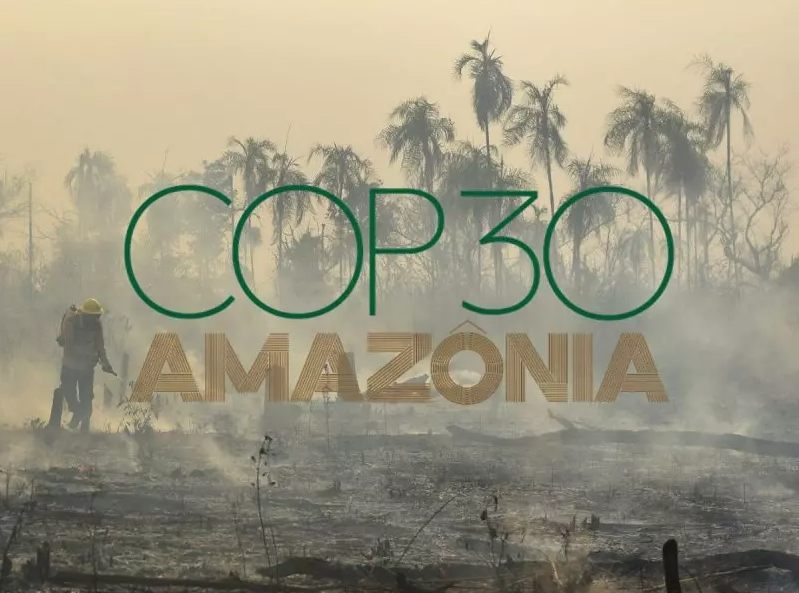
The Engineering of Sustainability in Focus
Below, we detail the COP30 schedule, analyzing the facts through a technical lens.
Week 1: Launching Targets and Logistical Challenges
Day 1 (November 10): Opening and Focus on Innovation
Key Event: The formal opening of COP30. Brazil assumed the presidency and presented the "Belém Agenda," highlighting the need for Nature-based Solutions (NbS) and the adoption of clean technologies for the Amazon.
Engineering Analysis: The speech by President Luiz Inácio Lula da Silva and his technical team emphasized the role of investment in R&D (Research and Development) and the logistical challenge of hosting an event of this magnitude in a complex biome region. This challenge translates into opportunities for consulting in sustainable project planning and management.
Day 2 (November 11): The Energy Transition Debate
Key Event: Leaders' Summit debated the energy transition. The energy industry, including Brazilian representatives, presented natural gas as a bridge fuel for decarbonization, seeking investments in Carbon Capture, Utilization, and Storage (CCUS) technologies.
Engineering Analysis: This debate is crucial for the wind and solar energy sector. The signal that gas will be a transitional resource requires engineering companies to prepare for hybrid projects, including the integration of CCUS into gas infrastructure projects, in addition to the accelerated development of green hydrogen projects.
Day 5 (November 14): The Scale of Climate Finance (NCQG)
Key Event: Negotiations advanced on defining the New Collective Quantified Goal (NCQG) on climate finance, with pressure for a baseline value in the trillions of dollars range.
Engineering Analysis: A trillion-dollar goal signals a massive demand for Adaptation and Mitigation projects. This opens a global market for companies offering climate risk assessment, resilience engineering, and emission mitigation solutions on a large scale, including the sustainable construction sector.

Week 2: Closing Agreements and Implementation Challenges
Day 6 (November 15): Regulation and Carbon Markets
Key Event: Technical discussions on Article 6 of the Paris Agreement (Carbon Markets) continued, seeking regulatory clarity for international credit trading. The presence of First Lady Rosângela da Silva (Janja) at parallel events drew attention to the social and equity dimension of the transition.
Engineering Analysis: The regulation of Article 6 is the activation factor for technology-based Carbon Credit projects. Companies need to specialize in Measurement, Reporting, and Verification (MRV) of emissions, utilizing remote sensing and blockchain to ensure credit integrity.
Day 8 (November 17): Energy Sovereignty and Innovation
Key Event: The Brazilian government, through President Lula, reiterated its position of sovereignty over natural resources, including the exploration of new oil and gas frontiers, if demonstrably viable, as a factor for development.
Engineering Analysis: This technical stance reinforces the focus on low-emission solutions for the O&G sector. This generates demand for engineering services focused on energy efficiency in exploration, reduction of fugitive emissions, and investments in renewable sources as mandatory compensation. The contradiction between fossil fuels and renewables is an engineering portfolio challenge that requires optimized solutions.
Day 11 (November 20): Closing the Pact and Post-Event Infrastructure
Key Event: The "Belém Pact" was adopted, sealing the commitment to a "just and equitable transition" away from fossil fuels.
Logistical Engineering Analysis: The infrastructure and logistics investments made by the federal government in Belém for COP30, such as the acceleration of urban mobility projects (e.g., BRT) and the airport renovation, represent a physical legacy for the region. The analysis of the costs and timeline of these works, supervised by technical bodies, demonstrates the level of logistical challenge and fast-track construction involved, serving as a case study for future projects in sensitive biomes.
Day 12 (November 21): The Outcome and the Focus on the Next Cycle
Key Event: The closing of COP30. The Brazilian presidency handed over the agenda for the next cycle, focusing on the implementation of the agreements.
Legacy for Sustainability: COP30 reinforced that climate disorder can only be combated with order and technical planning in resource application. The event left a lesson that the success of sustainable projects depends on the synergy between political mandate and the precise execution of engineering.

COP30 as a Business Vector
For the Engineering and Sustainability sector, COP30 in Belém was not just a conference, but a vector for new business. The finance agreements and the pressures for decarbonization confirmed the trend of migrating toward low-emission solutions.
The infrastructure challenge in Belém served as a case study to demonstrate the need for rigorous technical planning and the urgency of applying resilient engineering solutions in all spheres, opening a vast field of action for innovative companies.
Want to see more content like this? Access our main Blog page!
#COP30 #COP30_BELEM #ClimateAgreements #BelémPact #SustainableAmazon #BrazilSustainability #SustainableEngineering #ResilientInfrastructure #EnergyTransition #Bioeconomy #NatureBasedSolutions #NbS #LogisticalChallenges #ClimateFinance #CarbonMarket #Article6 #NCQG #EmissionMitigation #CleanTechnologies #GreenHydrogen #CarbonCapture #CCUS #RenewableEnergy #EnergyEfficiency #NaturalGasTransition #SustainableProjectManagement #ClimateInnovation #UrbanPlanningCOP30 #SustainableDevelopment #CaseStudy #StructuralSustainability #ResilientEngineering #MajorEvents #COP30Lessons #SustainableElectricalAutomation #E_S_A

